
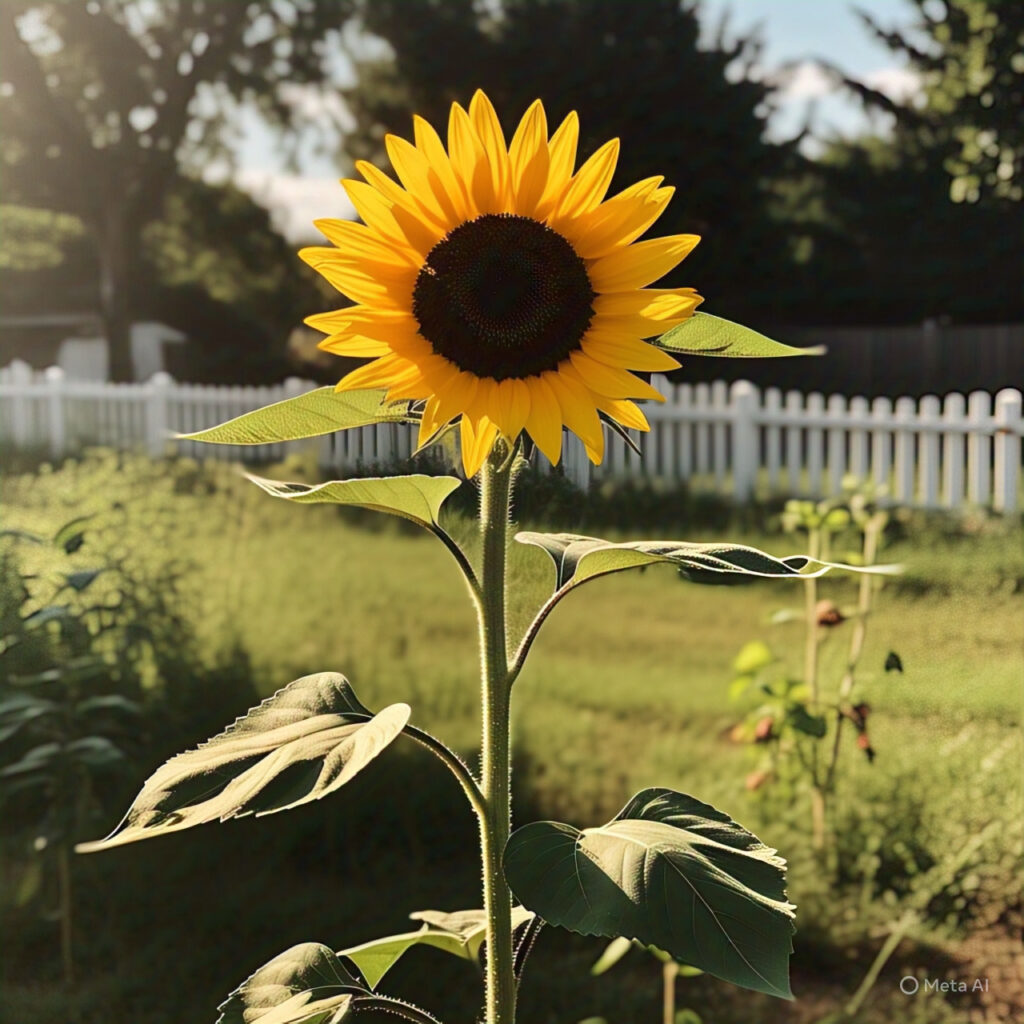
Sunflowers (Helianthus annuus) are one of the most iconic and cheerful flowers you can grow at home. Whether you have a garden or just a few pots on your balcony, sunflowers are an easy, fast-growing, and highly rewarding plant to cultivate. In this article, we’ll walk you through everything you need to know—from planting seeds to harvesting sunflower heads.
🌞 Why Grow Sunflowers?
Sunflowers are more than just pretty faces. Here are some of the top reasons gardeners love them:
Pollinator Attractors: Their large blooms attract bees, butterflies, and other pollinators.
Edible Seeds: You can roast the seeds for snacks or feed them to birds.
Fast Growth: Most varieties go from seed to bloom in just 2–3 months.
Child-Friendly: Their growth is visible and fun to watch, making them great for children’s gardening projects.
Aesthetic Appeal: Sunflowers add instant brightness to any landscape.
🌻 Choosing the Right Variety
There are dozens of sunflower varieties, but not all are suitable for every space. Choose based on your garden size and aesthetic preference:
Dwarf Varieties (12–36 inches tall):
Sunspot
Teddy Bear
Little Becka
Medium Varieties (3–5 feet tall):
Autumn Beauty
Lemon Queen
Giant Varieties (6–12 feet tall):
Russian Giant
Mammoth
🌱 When and Where to Plant Sunflowers
Best Planting Time: Late spring to early summer, after the last frost.
Sunlight: 6–8 hours of full sun per day is ideal.
Soil Requirements:
Well-drained soil
pH 6.0 to 7.5
Enrich with compost or aged manure
🛠️ Preparing the Soil
Loosen the top 12 inches of soil.
Mix in organic compost for nutrients.
Avoid overly sandy or compacted clay soils.
🌾 How to Plant Sunflower Seeds
Direct Sowing: It’s best to sow sunflower seeds directly into the ground or containers.
Spacing:
Dwarf varieties: 6 inches apart
Tall varieties: 12–18 inches apart
Depth: Plant seeds 1 to 1.5 inches deep.
Watering: Water immediately after planting.
💧 Watering and Feeding
During Germination: Keep soil moist but not soggy.
After Germination (7–10 days): Water 1–2 times per week depending on weather.
Feeding: Use a balanced 10-10-10 fertilizer once a month for larger blooms.
🪴 Growing in Containers
Yes, you can grow sunflowers in pots! Use the following tips:
Pot Size: Minimum 12 inches deep and wide.
Drainage: Ensure the pot has proper drainage holes.
Soil: Use potting mix with perlite or sand.
Staking: Dwarf varieties usually don’t need stakes; taller types do.
🦟 Pest and Disease Control
Common Pests:
Aphids
Cutworms
Sunflower moths
Natural Remedies:
Neem oil spray
Garlic and chili insecticides
Diatomaceous earth
Diseases to Watch For:
Powdery mildew
Downy mildew
Rust
🌻 Flowering and Pollination
Sunflowers begin to bloom around 70–100 days after planting. You’ll know they’re ready when:
The flower is fully open.
The back of the sunflower head starts to turn yellow or brown, indicating that the seeds are maturing.Bees and other pollinators start visiting frequently.
🌰 How to Harvest Sunflower Seeds
Wait until petals fall off and the back of the flower turns brown.
Cut the head off with 6–12 inches of stem.
Hang upside-down in a dry, well-ventilated area.
Rub seeds out by hand or with a stiff brush.
Rinse, dry, and store in an airtight container.
Optional: Roast with salt and olive oil for a delicious snack!
🍂 End-of-Season Care
Compost the Plants: After harvesting, cut down the stalks and compost them.
How to Tell When Sunflowers Are Ready to Harvest
Rotate Crops: Avoid planting sunflowers in the same spot next year to reduce disease risk.
👩🌾 Tips for a Successful Sunflower Garden
Stagger your planting every 2 weeks for continuous blooms.
Mix dwarf and tall varieties for height contrast.
Companion plant with corn, beans, or cucumbers.
Be vigilant with birds around, as they are highly attracted to sunflower seeds and can begin feeding on them before they are fully ready for harvest.
✅ Conclusion
Sunflowers are a delightful and productive addition to any home garden. Whether you grow them for their seeds, their sunny appearance, or their pollinator-attracting power, they’re easy to care for and bring joy throughout the growing season.