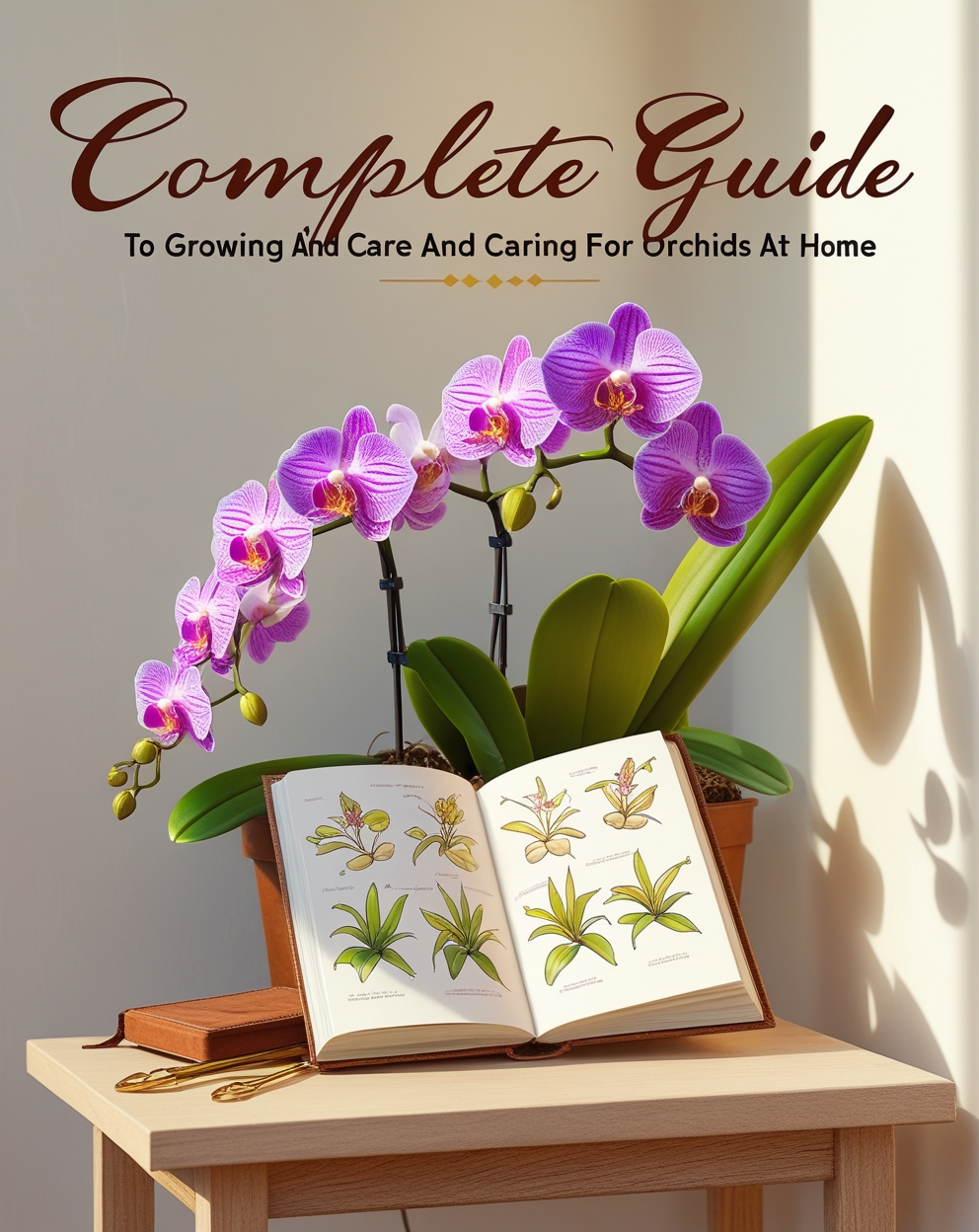
Orchids are among the most captivating and diverse families of flowering plants in the world. With over 25,000 species and more than 100,000 hybrids, they are celebrated for their stunning beauty, unique shapes, and exotic charm.Whether you’re an experienced gardener or a curious beginner, orchids can add elegance and sophistication to your home or garden—if you know how to care for them properly.
In this article, you’ll learn everything you need to know about orchids: their history, types, how to grow them indoors, and essential care tips to keep them thriving all year round.
🌸 What Makes Orchids So Special?
Orchids belong to the Orchidaceae family and are found on every continent except Antarctica. What sets them apart from other flowers is their symmetry, complex structure, and long-lasting blooms. Most orchids bloom once or twice a year, but their flowers can last from several weeks to months.
Historically, orchids have been symbols of luxury, beauty, and love. In ancient China, orchids symbolized nobility, elegance, and refined taste.. Today, they’re commonly used as decorative houseplants, gifts, and even in skincare and herbal remedies.
🌿 Popular Types of Orchids for Home Growing
While there are thousands of orchid species, here are some of the most popular types you can grow at home:
Phalaenopsis (Moth Orchid)
Easiest to care for.
Ideal for beginners.
Blooms last up to 3 months.
Cattleya
Known for their large, fragrant flowers.
Require more light but produce stunning blooms.
Dendrobium
Tall and slender stems.
Blooms in clusters and can rebloom several times a year.
Oncidium (Dancing Lady Orchid)
Small yellow or pink flowers that resemble a ballerina dress.
Thrives in bright, indirect light.
Vanda
Vivid, vibrant colors.
Best for experienced growers due to high humidity and light needs.
🪴 How to Grow Orchids Indoors – Step by Step
Growing orchids indoors can be very rewarding if you provide the right conditions. Here’s a step-by-step guide:
- Choose the Right Pot and Medium
Orchids don’t grow in regular soil. Instead, use a special orchid mix made of bark, perlite, and sphagnum moss. Choose a transparent pot with drainage holes to allow airflow and monitor root health. - Provide Indirect Light
Orchids love bright but indirect sunlight. A north- or east-facing window works wellYellowing or unusually dark green leaves are often signs of improper lighting—either too much or too little.» - Watering Correctly
Orchids hate overwatering. A good rule is to water once a week, allowing the medium to dry out in between. Water in the morning, and avoid getting the crown (center) of the plant wet to prevent rot. - Control Temperature and Humidity
Orchids grow best when daytime temperatures range from 65 to 75°F (18 to 24°C), accompanied by slightly cooler nights that encourage healthy development.»
Humidity: 40–70% is best.
Use a humidity tray or mist the plant if the air is dry. - Fertilize Monthly
Use a balanced orchid fertilizer (20-20-20) diluted to half strength. Feed once a month during the growing season (spring and summer).
🔁 How to Make Orchids Rebloom
Many people throw away orchids after the first bloom, but with patience, you can make them bloom again:
After flowers fall, trim the spike back to the node (a small bump on the stem).
Continue regular care, and place the plant in a spot with slightly cooler night temperatures to trigger blooming.
Reblooming may take a few months, so be patient!
✂️ Repotting Orchids
Orchids should be repotted every 1 to 2 years, or sooner if the potting medium starts to decompose or no longer drains well.»
Roots growing out of the pot.
Bark or moss looks soggy or degraded.
Plant is wobbly or not stable.
To repot:
Remove the orchid gently.
Trim dead roots.
Replant it in fresh orchid mix, using a slightly larger pot to accommodate healthy root growth.»
🐛 Common Problems and Solutions
Yellow Leaves
Cause: Overwatering or too much sun.
Solution: Modify the watering schedule and relocate the plant to a shadier location to prevent stress or leaf burn.»
Root Rot
Cause: Poor drainage or waterlogged medium.
Solution: Repot and cut away rotted roots.
No Blooms
Cause: Insufficient light or nutrients.
Solution: Move to a brighter location and fertilize.
Sticky Leaves or White Spots
Could be pests like mealybugs or aphids.
Use insecticidal soap or neem oil to treat.
🌼 Why Orchids Are Worth the Effort
«While orchids have a reputation for being finicky, most varieties are surprisingly easy to grow once their specific needs are understood.»to be watered daily, and they thrive in indoor environments with a little attention to light and humidity.
Plus, few other plants can match the elegance, color, and variety orchids bring to your home. From pure white Phalaenopsis to bold purple Cattleyas, there’s an orchid for every taste.
📌 Final Tips for Orchid Lovers
Rotate the plant every few weeks to promote even light exposure.»
«Keep the saucer under the pot free of standing water.»
Avoid placing orchids near heaters or air conditioners.
Join orchid communities online for support and inspiration.
Conclusion
Orchids are more than just decorative plants—they’re symbols of grace and patience. With proper care, they will reward you with breathtaking blooms year after year. Whether you’re new to gardening or a seasoned plant lover, adding an orchid to your collection is a beautiful step toward a more vibrant indoor garden.