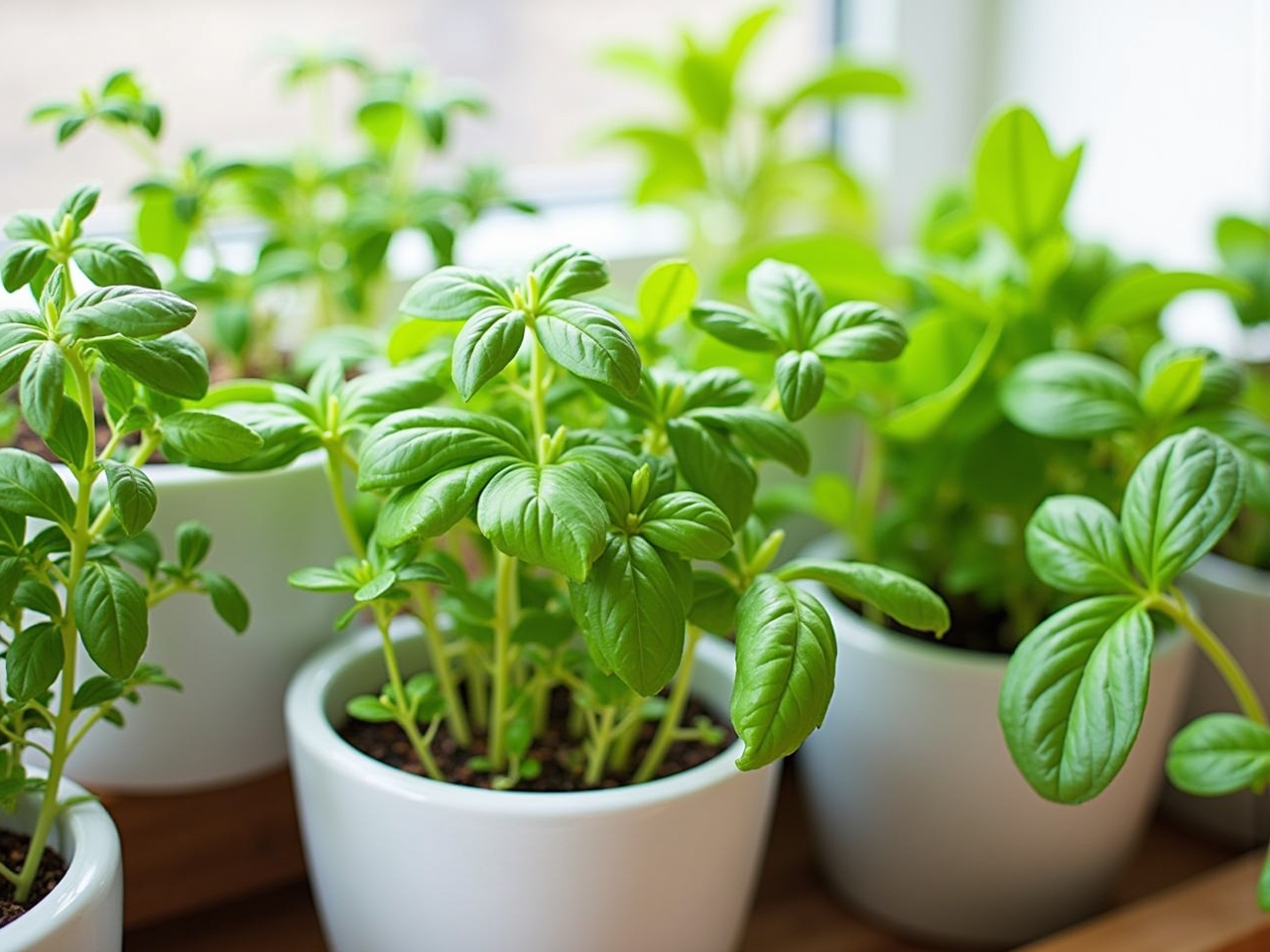
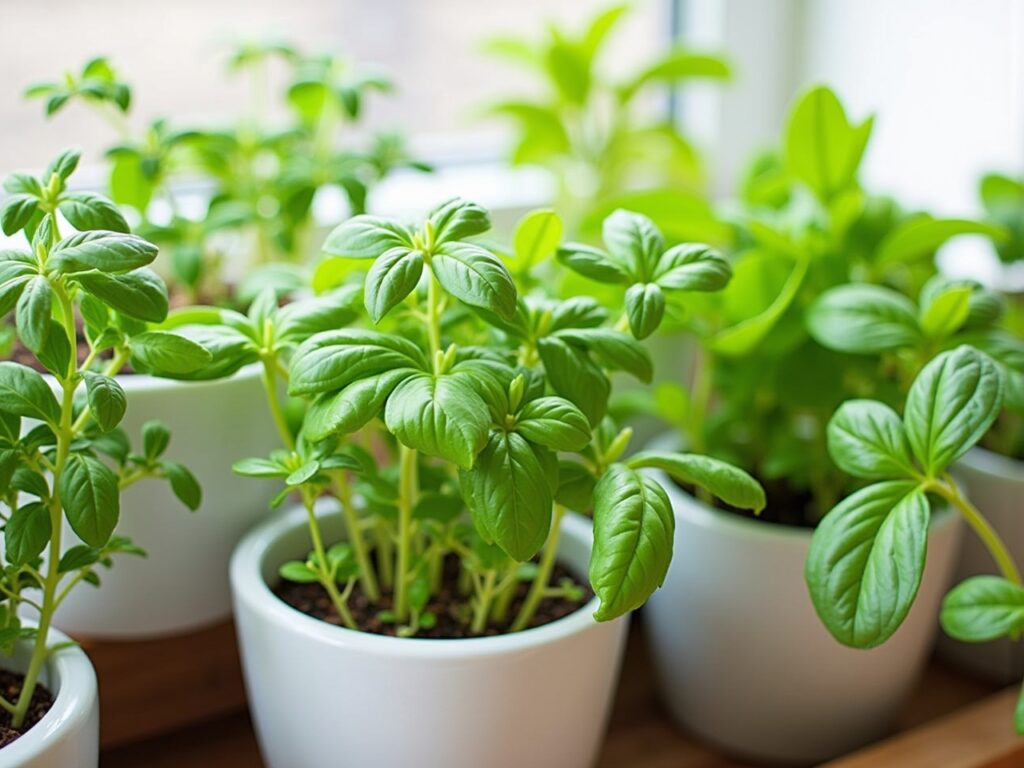
Picture this: you’re cooking dinner and reach over to pluck a few fresh herb leaves from your own indoor garden. It’s satisfying, simple, and possible even in the smallest apartments. You don’t need gardening experience or a backyard — just the right setup, a bit of attention, and enthusiasm. Here’s your fresh, beginner-friendly guide to growing herbs indoors naturally.
Why Growing Herbs Indoors is a Great Idea
When you cultivate herbs inside your home, you’re getting:
Fresh herbs every season
Lower grocery bills
More control over how your plants grow
A refreshing touch of green decor
Some herbs even help clean the air — talk about multitasking!
In addition, growing herbs indoors can have a calming effect on your mental state. Spending time around greenery has been linked to lower stress levels, improved mood, and better concentration, especially during long indoor days.
Step 1: Pick Easy Herbs to Begin With
Start with varieties that thrive inside and are forgiving:
Basil – Thrives in warm, sunny spots
Mint – Fast and resilient
Parsley – Slower to sprout but does well in pots
Thyme – Low effort and fragrant
Chives – Handles dim light and grows back fast
🍃 Start small with two or three herbs and expand as you gain confidence.
Once you’re comfortable, you can move on to more challenging herbs like rosemary or cilantro, which need more care and stable conditions.
Step 2: Choose the Perfect Indoor Spot
Light is essential for herbs. Find a place that gets at least 6 hours of sunlight daily:
Windows facing south are ideal
If light is limited, supplement with LED grow lamps
Kitchens are great because they’re usually sunny and you’ll use the herbs often.
Also, make sure the spot isn’t too drafty or near heat sources like radiators or ovens. Herbs prefer consistent temperatures and moderate humidity.
Step 3: Select the Right Pots
Forget aesthetics for now — practicality matters most:
Make sure each container has small holes at the base to allow extra water to escape
Opt for pots with a minimum depth of 6 inches to give roots enough room to spread
Use safe materials like ceramic, clay, or BPA-free plastic
🪴 Place a tray beneath pots to catch extra water and avoid messes.
Containers that water themselves can be a great beginner-friendly option, helping to keep soil consistently moist with less effort.
Step 4: Use the Best Potting Mix
Skip outdoor dirt. Go with a mix made for potted indoor plants:
Look for lightweight, well-draining indoor potting soil
Or blend your own: two parts potting mix, one part perlite, and one part coconut husk fiber
This keeps roots healthy and avoids waterlogging.
Add organic compost or worm castings to provide nutrients naturally. Healthy soil equals flavorful herbs.
Step 5: Planting Seeds or Small Plants
From Seeds:
Fill your pot with moist soil
Gently press seeds on top and cover lightly
Mist daily until you see sprouts
From Starter Plants (easiest):
Carefully remove the plant from its original pot
Gently untangle the roots if needed
Place it into your prepared container and surround it with potting mix
Water immediately to help it settle
Step 6: Water Wisely
Avoid overdoing it — herbs like moist, not soaked soil:
Test soil by poking a finger in about an inch
If it’s dry, it’s time to water
Use a small watering can or spout bottle for better control
Let water run through completely and never leave pots sitting in puddles
💧 Too much water is the most common error new herb gardeners make.
Use room-temperature water and water early in the day to prevent mold or mildew.
Step 7: Give Consistent Light
When sunlight isn’t enough, artificial lighting steps in:
Position your grow light around a foot above the plants
Aim to keep them illuminated for 12 to 14 hours daily, simulating natural daylight
Consider using a timer so you don’t have to remember daily
Rotate your plants every few days so all sides get exposure. This prevents lopsided growth and encourages fuller plants.
Step 8: Harvest Carefully and Encourage Growth
Once your herbs are growing strong (usually 5 inches tall):
Make your cuts slightly above where the leaves connect to the stem — this helps new branches grow from that point
Only remove a small portion at a time — no more than one-third of the total leaves
Regular trimming keeps herbs bushy and productive
✂️ Always use clean, sharp scissors or shears.
Dry leftover cuttings or freeze them in ice cube trays with olive oil for easy use later.
Step 9: Keep Them Healthy Over Time
A few issues may pop up — here’s how to deal:
Yellow leaves = Too much water
Stretched stems = Not enough light
Tiny flying bugs? Let soil dry more and apply natural plant spray like neem or garlic oil
Growth slowed down? Use mild organic fertilizer every 5–6 weeks
Do a quick check every week to catch any problems early — pests, dryness, or disease symptoms. Staying observant helps you maintain a thriving indoor garden.
Fun and Creative Herb Displays
Add style while saving space:
Hanging jars by the kitchen window
Vertical wall planters for a green display
Tin cans or mugs with drainage holes
Rustic boxes lined with waterproof material
Use your imagination — as long as your herbs get air and light, you can plant them in almost anything.
Mix different herbs in one large container for a mini indoor herb forest!
Final Thoughts
Cultivating herbs indoors is not only practical, but also incredibly rewarding.”. With a little effort, you’ll enjoy fresh, flavorful ingredients at your fingertips while adding life and greenery to your home.
🌿 Start small, learn as you go, and enjoy every green moment.
With practice and patience, your kitchen windowsill could become the most productive part of your home. Not only will you have tastier meals, but you’ll also have the joy of nurturing something that grows with you.