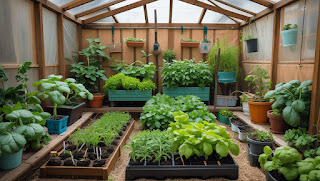
Starting a home garden from scratch might sound overwhelming, but with the right steps and mindset, it can be an incredibly rewarding journey. Whether you’re aiming to grow vegetables, flowers, or simply add some greenery to your living space, gardening offers a fulfilling way to connect with nature, save money, and even boost your mental health.
In this beginner’s guide, we’ll walk you through everything you need to know to start your home garden the right way — from planning to planting and maintaining your green space.
🌿 Step 1: Choose the Right Location
Your garden’s success depends heavily on location. Most edible and flowering plants need at least 6–8 hours of direct sunlight daily.
Things to consider:
Sunlight: Observe how much sunlight your yard or balcony gets each day.
Drainage: Avoid areas that collect standing water after rain.
Accessibility: Make sure it’s easy to reach for watering, weeding, and harvesting.
Space: You don’t need a huge yard. Even small patios, balconies, or windowsills can host thriving container gardens.
🗺️ Step 2: Plan What to Grow
Begin by choosing plants suited to your climate, space, and level of commitment.
For beginners, consider:
Herbs: Basil, mint, parsley, and thyme grow easily in containers.
Vegetables: Tomatoes, lettuce, radishes, and peppers are great starter crops.
Flowers: Consider planting zinnias, sunflowers, or marigolds — they not only add vibrant color but also attract helpful pollinators like bees and butterflies.
Research your USDA Plant Hardiness Zone or local climate conditions to determine what grows best in your region.
🧹 Step 3: Prepare the Soil
Your garden will thrive only if the soil is healthy and fertile. Good soil is essential for supporting strong root development and consistent growth.
Test and amend your soil:
Remove weeds, rocks, and debris.
Use an affordable soil test kit to check pH levels and nutrient content.
Mix in compost, aged manure, or organic matter to improve structure and fertility.
If you’re using containers or raised beds:
Choose a light, nutrient-rich potting mix specifically designed for garden use.
Avoid using dense yard soil, which can hinder drainage and root growth.
🛠️ Step 4: Gather Your Tools
Starting a garden doesn’t require a garage full of tools. A few essential tools are all you need to get started successfully.
Essential tools:
Trowel (for digging small holes)
Hand fork or cultivator (for loosening soil)
Pruners (for trimming plants)
Watering can or hose with a soft spray setting to avoid damaging young plants
Gardening gloves (to protect your hands)
Optional but useful tools include a garden kneeler, a gardening journal, and plant markers
🌱 Step 5: Start Planting
Follow the planting instructions for each plant type, found on seed packets or plant tags.
General planting tips:
Avoid overcrowding your plants — make sure each one has enough space to grow and thrive..
Water thoroughly right after planting to help roots settle.
Label each plant, especially when growing multiple types.
Start with seeds or young plants from a local nursery if you want quicker results.
💧 Step 6: Watering and Maintenance
Proper watering and care are key during the early stages.
Watering tips:
Water your plants during the early morning or late afternoon to minimize water loss from evaporation.
To check if plants need water, stick your finger into the soilIf the top inch of soil feels dry when you touch it, it’s time to give your plants some water.
Don’t overwater—excess moisture can lead to root rot, a common problem for new gardeners.
Ongoing maintenance:
Remove weeds frequently to prevent them from competing with your plants for water and nutrients.
Apply mulch around your plants to lock in moisture, suppress weeds, and regulate soil temperature.
Feed plants with organic or balanced fertilizers as needed.
Monitor for pests and diseases—early detection is key.
🐝 Step 7: Attract Beneficial Insects
Pollinators like bees and butterflies are essential to plant health and productivity.
How to invite them:
Grow pollinator-friendly blooms such as lavender, daisies, and native wildflowers.
Avoid chemical pesticides that can harm beneficial bugs.
Include native plants to create a sustainable ecosystem in your garden.
🌞 Step 8: Be Patient and Enjoy the Process
Gardening teaches you patience and resilience.Every success—and even the occasional mistake—is a valuable step in your gardening learning journey.
Maybe not every seed will sprout, and some plants may struggle. That’s okay. The key is to keep experimenting and learning from every season.
Enjoy every step: the smell of soil, the joy of a new sprout, the first tomato you pick.Gardening isn’t only about the outcome — it’s about enjoying the process and the journey along the way.
🌼 Bonus Tips for Success
Start with a manageable setup. A few containers or even a simple 4×4-foot garde