Keywords: grow peppers at home, potted pepper gardening, balcony vegetables, container gardening tips
🌱 Why Grow Peppers in Pots?
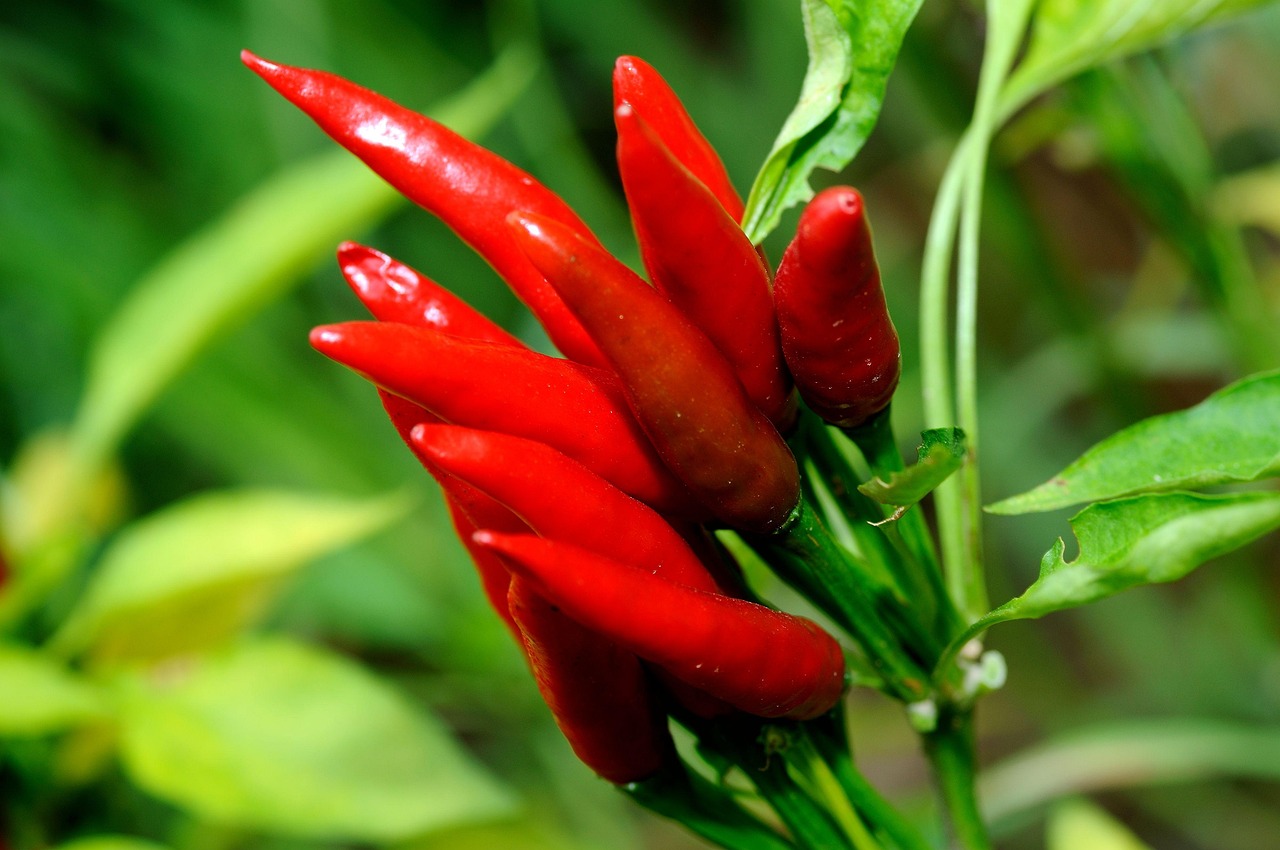
Peppers are vibrant, versatile, and packed with flavor—perfect for adding a spicy kick or sweet crunch to your meals. Growing peppers in pots is ideal for urban gardeners who want fresh produce but lack garden space. With a sunny balcony or patio, you can cultivate your own colorful pepper plants, from mild bell peppers to fiery habaneros, all in containers!
🧰 What You’ll Need Before Planting
To get started, gather these essentials:
Pepper seeds or seedlings (bell peppers, jalapeños, habaneros, or mini sweet peppers)
Containers at least 10–12 inches (25–30 cm) deep with drainage holes
Quality potting soil rich in organic matter
Fertilizer formulated for vegetables or peppers
Stakes or cages for support
Watering can or hose with gentle spray
Sunny balcony or patio with at least 6 hours of direct sunlight
☀️ Step 1: Choose the Perfect Spot
Peppers thrive in warmth and sunlight. Pick a spot on your balcony or patio that receives:
A minimum of 6 hours of direct sunlight daily (8+ hours is better)
Protection from strong winds
Good air circulation but not drafty
If your balcony is shaded, supplement with a grow light to provide 12–16 hours of light per day.
🌶️ Step 2: Select the Right Pepper Variety
Choose pepper types that suit your taste and container space:
Bell peppers: Mild, sweet, large fruits; best for beginners
Jalapeños: Medium heat, compact plants
Mini sweet peppers: Small, colorful, ideal for small pots
Habaneros or cayenne: Very hot, need longer growing season and more care
Compact or bush-type varieties do best in pots, while large, sprawling types may need bigger containers and support.
🪴 Step 3: Prepare Your Container and Soil
A healthy start requires the right container and soil:
Use pots with drainage holes, 10–12 inches deep per plant
Avoid heavy garden soil; instead, use high-quality, well-draining potting mix
Add compost or well-rotted organic matter to enrich soil
Mix in slow-release fertilizer or feed weekly with liquid fertilizer
🌱 Step 4: Planting Your Peppers
From Seeds:
Kick off your pepper-growing journey by sowing seeds indoors roughly 8 to 10 weeks before your region’s last expected frost.
Plant ¼ inch deep in seed-starting mix
Keep soil moist and warm (~75°F / 24°C) until germination (7–14 days)
Transplant seedlings to pots when 4–6 inches tall and after frost risk passes
From Seedlings:
Carefully transplant young plants into your prepared containers
Water well immediately after planting
Space one plant per pot for best growth
💧 Step 5: Watering and Feeding Your Peppers
Peppers need consistent moisture but dislike soggy soil:
“”Monitor the soil frequently and water your plants only when the surface feels dry under your fingertips.”
Avoid waterlogging; ensure good drainage
Hydrate your plants during the early morning to allow excess moisture to evaporate, reducing the likelihood of fungal growth and disease.”
Feed with liquid fertilizer every 2 weeks during the growing season
🌿 Step 6: Support and Prune Your Plants
Use stakes or cages to support pepper plants as they grow taller
Remove any suckers (small shoots) that appear at the base to encourage airflow and energy for fruit production
Pinch off early flowers if the plant is small to promote stronger root and leaf growth first
🐛 Step 7: Pest and Disease Management
Common pests and issues with peppers include:
Problem Solution
Aphids Spray with neem oil or insecticidal soap
Spider mites Increase humidity, spray water
Blossom-end rot Ensure consistent watering, add calcium
Yellowing leaves Check for nutrient deficiencies or overwatering
Regularly check your plants and promptly remove any damaged or diseased leaves.”
🍴 Step 8: Harvesting Your Peppers
Harvest peppers when they reach full color (green, red, yellow, or orange depending on variety)
“Use scissors or pruning shears to trim your plants carefully and prevent damage
Frequent harvesting encourages new fruit growth
For hot peppers, wear gloves to avoid skin irritation
🔁 Extra Tips for Better Pepper Growth
Rotate pots occasionally for even sunlight
Cover the top layer of soil with organic mulch to help lock in moisture and naturally block unwanted weeds from sprouting.”
Keep humidity moderate by misting leaves if air is dry
Try companion planting with basil or marigolds to deter pests
✅ Final Thoughts
Growing peppers on your balcony is a fantastic way to enjoy fresh, homegrown produce even without a yard. With the right containers, soil, and care, you’ll soon harvest colorful, tasty peppers to spice up your kitchen and impress your guests!
📸 Share Your Pepper Garden!
Have a balcony full of peppers? “Take a photo of your garden and tag @UrbanGardenDaily to share your success!”
📷 Free Image Suggestions (Unsplash or Pexels):
“Peppers growing in pots”
“Colorful bell peppers on plant”
“Balcony garden with vegetable pots”
“Harvesting peppers in container garden”