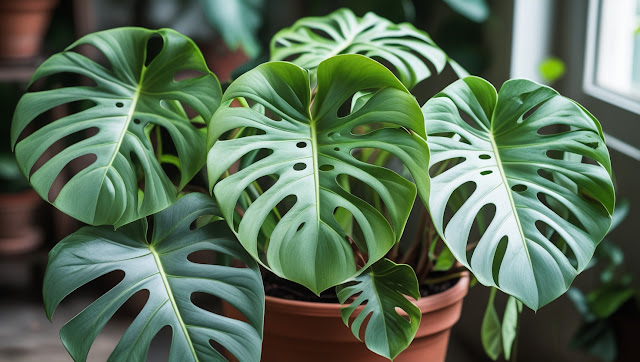
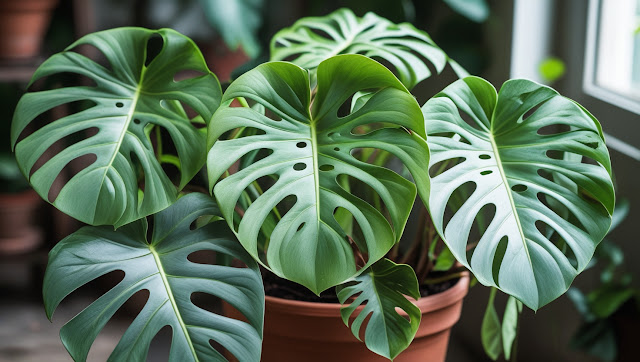
🌿 How to Grow and Care for Monstera Obliqua: The Ultimate Guide
If you’re fascinated by houseplants that look like living art, Monstera obliqua might be your dream plant. Known for its gossamer-like leaves full of dramatic holes, this plant stands out even among other Monsteras. In this fresh and comprehensive guide, you’ll learn all the essential techniques to help this rare species flourish indoors.
🌱 What Makes Monstera Obliqua So Unique?
This plant, a member of the aroid family, is native to the lush rainforests of Central and South America, where it grows as an epiphyte, climbing up trees in search of filtered light. Unlike the more common Monstera adansonii, Monstera obliqua features ultra-thin foliage that resembles Swiss cheese lace.
Because it’s difficult to propagate and slow to mature, this variety is considered highly desirable and often commands premium prices in plant circles.
💡 Lighting Requirements for Healthy Growth
Obliquas prefer bright, indirect light that simulates the shaded canopy of a tropical forest. Too much sun can damage its delicate foliage, while too little light will lead to poor development.
Lighting Suggestions:
Place it near an east-facing window for soft, natural light.
Use a sheer curtain or light-diffusing fabric to soften intense rays.
If your home is dimly lit, consider using full-spectrum LED grow lights to supplement the plant’s needs.
🌡️ The Ideal Environment for Monstera Obliqua
This exotic species flourishes in a consistently warm atmosphere paired with high humidity. Sudden cold drafts or overly dry air can easily lead to stress in the plant.
Preferred temperature range: 68°F to 82°F (20°C–28°C)
Humidity level: Aim for 75% or more
Tips for Boosting Humidity:
Keep a humidifier running close to the plant.
Create a microclimate by placing the pot on a humidity tray filled with stones and a small amount of water—just make sure the base of the pot isn’t submerged.
Group it with other moisture-loving plants for a shared humidity zone.
🪴 Choosing Soil and the Right Container
Monstera obliqua needs a potting mix that’s airy and drains quickly. Dense, soggy soil can suffocate the roots and lead to fungal problems.
Ideal Soil Composition:
Create a lightweight blend using orchid bark, coco coir or peat moss, and either perlite or pumice for aeration and drainage.
Add a bit of compost or worm castings to increase nutrient content.
Use containers with proper drainage holes to prevent water buildup. Terracotta pots are especially good because they allow excess moisture to evaporate through the sides.
💧 Watering Wisely
Obliquas dislike both overwatering and complete dryness. Timing your propagation correctly is crucial for encouraging strong, healthy root growth.
When and How to Water:
Check soil moisture by pushing your finger about two inches into the mix—if it’s dry at that depth, go ahead and water.
In low-humidity spaces, watering once a week is often sufficient, but always adjust based on season and indoor climate.
Always use room-temperature water, and let any excess drain freely from the pot.
🍽️ Feeding Your Monstera the Right Way
During the active growth phase, your Monstera will benefit from a gentle feeding routine.
Fertilizing Routine:
Apply a mild, water-soluble plant food approximately every 3–4 weeks during spring and summer.
To prevent damaging the plant’s sensitive roots and foliage, mix the fertilizer at half the recommended concentration.
Pause all fertilizing during the colder months, as the plant’s growth naturally tapers off.
✂️ Pruning and Training for Shape and Strength
With the right care, Monstera obliqua can grow beautifully in your home, though you’ll occasionally need to trim and guide its growth.
Pruning and Support:
Use disinfected garden scissors to snip off leaves that are discolored, torn, or deteriorating.
For better branching, cut just above a visible node—this will encourage side shoots.
Shape only as necessary to keep its natural, airy appearance.
To encourage vertical growth, add a moss pole or bamboo stick and gently tie the stems without pinching them.
🌿 Propagation: How to Multiply Your Monstera Obliqua
Although it can take time, Monstera obliqua can be propagated from healthy stem cuttings.
Step-by-Step Method:
Pick a healthy cutting with at least one node and ideally a small aerial root, which can improve rooting success.
With sanitized tools, carefully cut just below the node to encourage healthy root development.
You can root the cutting in dechlorinated water or a moist bed of sphagnum moss—both methods work well with patience.
Cover the cutting with a clear plastic bag or dome to maintain warmth and moisture.
After a couple of weeks, tiny roots will start to appear. Once they’re about 2–3 inches long, your cutting is ready to be planted in soil.
🐛 Common Pests and Problems
Even healthy plants can occasionally face issues with pests, especially in dry